Why Battery Cable and Terminals Matter for Your Boat's Electrical System
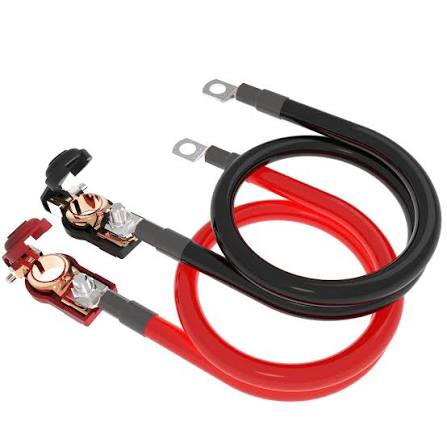
A dependable marine battery is only as good as the cables and terminals connected to it. Even the highest-quality battery can fail to deliver reliable power if the wiring is undersized, corroded, or poorly connected. That's why choosing the right Battery Cable and Terminals is essential for maintaining a safe and efficient electrical system on any boat.
From starting the engine to powering navigation equipment, lights, pumps, and onboard electronics, every electrical circuit depends on secure, low-resistance connections. High-quality marine cables and terminals help reduce voltage loss, improve reliability, and withstand the demanding conditions of life on the water.
Boats operate in an environment where moisture, salt, vibration, and temperature changes are constant challenges. Standard automotive wiring may deteriorate quickly under these conditions, while marine-grade components are designed to resist corrosion and provide long-lasting performance.
Quality marine battery cables typically feature:
- Tinned copper conductors
- Flexible multi-strand construction
- Heavy-duty insulation
- Excellent resistance to moisture and corrosion
- High current-carrying capacity
These features help maintain a consistent flow of electricity while extending the lifespan of the electrical system.
Selecting the Right Battery Cable
Choosing the correct cable size is essential. A cable that is too small can create excessive resistance, resulting in voltage drops, overheating, and poor equipment performance.
Before selecting a cable, consider:
- Battery capacity
- Engine starting current
- Total cable length
- Electrical load
- Type of onboard equipment
Using the proper cable gauge ensures that power reaches every component safely and efficiently.
The Role of Battery Terminals
Battery terminals create the connection between the battery and the boat's electrical system. Although they are small components, they play a vital role in ensuring dependable performance.
Well-designed terminals provide:
- Secure electrical contact
- Minimal resistance
- Improved charging efficiency
- Better engine starting performance
- Reduced risk of loose connections
Marine-grade ring terminals are generally preferred because they provide a strong, vibration-resistant connection that is less likely to loosen over time.
Preventing Corrosion
Corrosion is one of the most common causes of electrical problems on boats. Saltwater and humidity can gradually damage cable connections if they are not properly protected.
To reduce corrosion:
- Keep battery terminals clean.
- Apply dielectric grease to connections.
- Use adhesive-lined heat shrink tubing.
- Inspect cables regularly for wear.
- Replace damaged terminals immediately.
These simple maintenance steps can significantly improve the reliability of your electrical system.
Installation Tips
Correct installation is just as important as choosing quality components.
For the best results:
- Use marine-grade cables only.
- Crimp terminals with the proper tools.
- Support cables to prevent vibration damage.
- Keep wiring away from excessive heat.
- Ensure all connections are tight and secure.
Professional installation practices help minimize electrical resistance and reduce the risk of unexpected failures while on the water.
Routine Maintenance
Regular inspections can prevent small issues from becoming expensive repairs.
During routine maintenance, check for:
- Loose terminal connections
- Corrosion around battery posts
- Cracked insulation
- Worn cable jackets
- Signs of overheating or discoloration
Replacing worn cables or terminals before they fail helps keep your boat operating safely and efficiently throughout the season.
Final Thoughts
Your boat's electrical system depends on more than just a quality battery. Reliable Battery Cable and Terminals ensure efficient power delivery, dependable engine starting, and consistent performance for all onboard electronics. By choosing marine-grade components, installing them correctly, and performing regular maintenance, you can improve safety, reduce electrical problems, and enjoy greater confidence every time you head out on the water.